Picture this: you’re all set to capture that perfect moment, but your iPhone 6s decides it’s on a permanent vacation. Panic sets in as you realize your trusty device won’t turn on. Don’t worry, it happens to the best of us—like forgetting your password or mistaking a cat for a dog.
Understanding the Issue
When the iPhone 6s won’t turn on, it often leads to confusion and frustration. Understanding the underlying issues can streamline the troubleshooting process.
Common Reasons for iPhone 6s Not Turning On
Several factors may prevent the iPhone 6s from powering on. A drained battery usually tops the list, often leading to an unresponsive device. Damage from liquid exposure can cause internal components to fail, leading to power issues. Additionally, hardware malfunctions can arise from physical damage, affecting the device’s ability to function. A faulty charging cable or adapter might also inhibit power delivery. Identifying these common problems is essential for effective troubleshooting.
Initial Troubleshooting Steps
Take immediate action with a few simple troubleshooting steps. First, connect the iPhone 6s to a charging cable and leave it for at least 15 minutes. This ensures the battery has some time to charge. Next, attempt a force restart by pressing and holding the Home button and the Power button until the Apple logo appears. This process can refresh the software, often resolving minor issues. Checking the charging accessories for any visible damage can also help determine if they are functioning properly. Starting with these steps usually leads to a solution.
Methods to Turn On iPhone 6s
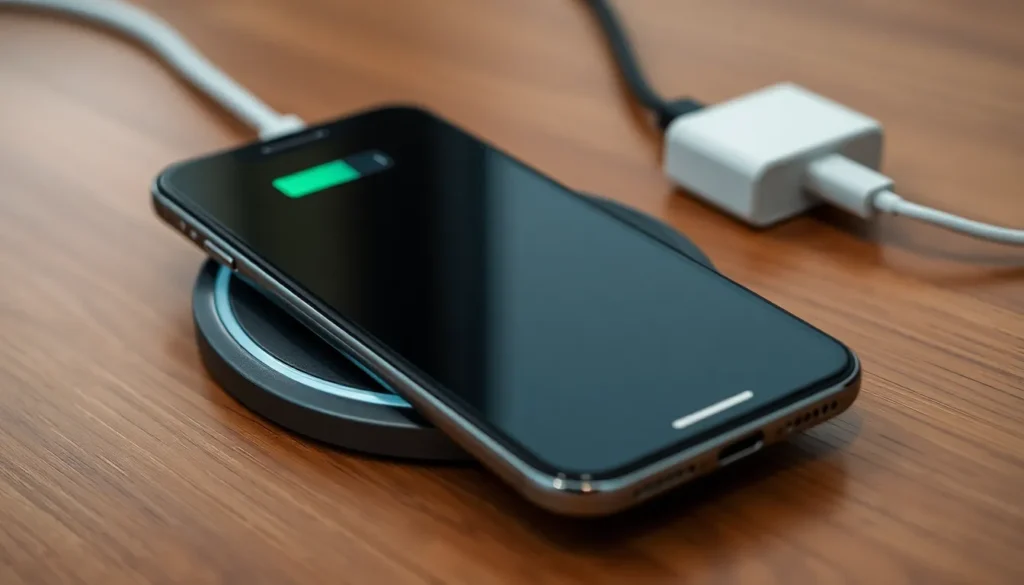
Users can try several methods to turn on an unresponsive iPhone 6s. Understanding these methods ensures effective troubleshooting and quick resolution of the issue.
Force Restarting Your iPhone 6s
A force restart can help when the iPhone 6s won’t power on. To perform this action, press and hold the Home and Power buttons simultaneously for about 10 seconds. As the Apple logo appears, release both buttons. This method refreshes the software, often resolving minor glitches that prevent the device from starting. Perform this step if the screen remains black or unresponsive after connecting to a charger.
Charging Your Device Properly
Charging the device correctly is essential for it to turn on. First, inspect the charging cable and adapter for any signs of wear or damage. It’s crucial to use Apple-certified accessories for optimal performance. Connect the iPhone 6s to a wall outlet rather than a computer USB port, as it provides a stronger charge. Leave it plugged in for at least 15 minutes, allowing the battery to gain enough power for startup. If the device still doesn’t initiate after charging, try a different cable or wall adapter.
Advanced Troubleshooting Techniques
He can explore advanced methods to fix an iPhone 6s that won’t turn on. These techniques often provide additional insights into underlying problems.
Checking for Hardware Issues
Inspecting hardware components often reveals issues that prevent the iPhone 6s from turning on. Look for signs of liquid damage, such as corrosion around the charging port. Examine the screen for cracks or unresponsive elements. Testing the battery connections ensures they are secure and free of debris. Consider using a known working charger and cable to rule out accessory faults. Replacing the battery may be necessary if it shows signs of swelling or aging. Consulting an authorized service provider offers assistance when extensive repairs are needed.
Using Recovery Mode
Utilizing recovery mode provides an alternative way to troubleshoot an unresponsive iPhone 6s. First, connect the device to a computer with iTunes or Finder. While holding the Home button, press and hold the Power button until the recovery mode screen appears. Releasing the buttons will display options to restore or update the device. Selecting the update option often preserves data while fixing software issues. Users should follow the on-screen instructions carefully during this process. A successful recovery mode operation often resolves significant operating system problems.
Preventive Measures
Implementing preventive measures can greatly reduce power issues with the iPhone 6s. Users benefit from simple habits that keep their devices functioning optimally.
Tips to Avoid Future Power Issues
Regularly charging the device can help maintain battery health. Using Apple-certified chargers ensures compatibility and efficiency. Avoiding extreme temperatures preserves battery life. Excessive heat or cold negatively impacts performance and longevity.
Monitoring battery health through the settings helps users identify potential issues early. Replacing batteries showing signs of wear can prevent sudden shutdowns. Keeping the software up to date enhances system stability and performance.
Finally, using protective cases can guard against liquid damage and physical impact. Prioritizing these habits ensures a more reliable experience with the iPhone 6s.
Facing an unresponsive iPhone 6s can be frustrating but knowing how to troubleshoot effectively makes the process smoother. By following the steps outlined in the article users can quickly identify the root cause and attempt solutions that bring their device back to life.
Emphasizing preventive measures can also go a long way in maintaining the device’s performance. Regular charging practices and using certified accessories help avoid future issues. Staying proactive about battery health and software updates ensures a reliable experience.
With these tips in mind users can enjoy their iPhone 6s without the fear of sudden shutdowns or unresponsiveness.