Ever found yourself staring at your iPhone, desperately trying to evict that one stubborn app that just won’t leave? It’s like that friend who overstays their welcome at a party—annoying and impossible to shake off. Whether it’s a pre-installed app that feels more like a digital squatter or a rogue game you downloaded on a whim, the struggle is real.
But fear not! Understanding why these apps cling to your device can save you from future frustration. Armed with the right knowledge, you can regain control over your iPhone and create a more streamlined experience. Let’s dive into the quirky world of app management and discover the secrets behind those pesky icons that refuse to budge.
Common Reasons Apps Can’t Be Removed
Some iPhone users struggle to delete certain apps. Multiple factors contribute to this issue, including restrictions and system applications.
Restrictions and Parental Controls
Restrictions often prevent the removal of specific apps. Users might enable these settings to limit access to content and features. Parental controls can block the ability to uninstall apps for younger users, ensuring they don’t have unrestricted access. To change these settings, navigate to Settings, select Screen Time, and then choose Content & Privacy Restrictions. Users can adjust these restrictions to regain control over app management.
System Apps and Built-in Features
System apps remain integral to the iOS experience. These applications serve essential functions and cannot be removed by users. Examples include Safari, Phone, and Messages, which are crucial for device operation. Built-in features often support system stability, enhancing overall performance. Users don’t have the option to delete these apps, reinforcing their role within the iOS ecosystem.
Troubleshooting Steps
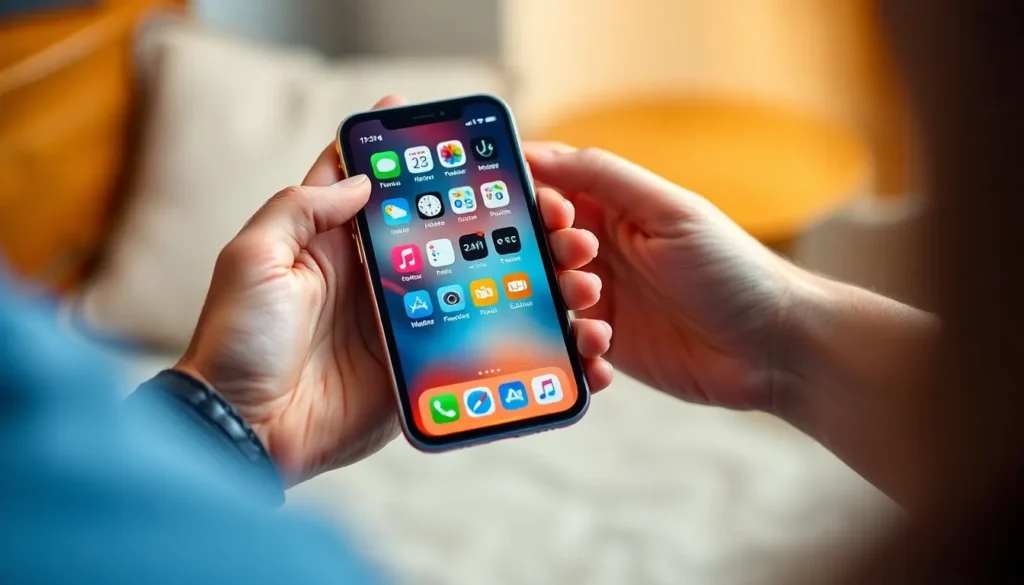
Resolving the issue of not being able to remove apps from an iPhone requires a few simple troubleshooting steps. Each method can help users regain control over their devices.
Restarting Your iPhone
Restarting an iPhone often fixes minor glitches. To restart, hold the power button until the slider appears. Sliding to power off completely shuts down the device. After waiting about 30 seconds, holding the power button again will turn it back on. Users might find that this refresh resolves app management issues.
Updating iOS
Updating the iOS version can eliminate bugs that impact app removal. Users should check for updates by going to Settings, tapping General, then selecting Software Update. If an update is available, downloading and installing it can improve overall device performance. Keeping the iPhone updated helps avoid compatibility issues with app management.
Alternative Solutions
Users can explore different methods to manage apps on their iPhones when traditional removal doesn’t work. These alternative solutions can help regain control and enhance user experience.
Offloading Unused Apps
Offloading unused apps allows users to free up storage without fully deleting the app data. To use this feature, go to Settings, tap on General, and select iPhone Storage. Identify apps that haven’t been used in a while, then choose Offload App. This action removes the app while keeping its data intact, making it easy to reinstall later if needed. Users benefit from reclaiming storage while maintaining access to their saved information.
Hiding Apps from the Home Screen
Hiding apps from the Home Screen can provide a clutter-free appearance without removal. Users can accomplish this by creating folders or utilizing the App Library. To create a folder, simply drag one app onto another to group them together, reducing visible apps. For those who prefer the App Library, swipe left until reaching this section. Here, users can access all apps without displaying them on the main screen. The App Library organizes apps automatically, promoting a tidy home environment while still retaining functionality.
When to Seek Help
Sometimes, issues with app removal may require expert assistance. If troubleshooting steps haven’t resolved the problem, seeking help can be the next best option.
Contacting Apple Support
Reaching out to Apple Support provides access to knowledgeable representatives who specialize in resolving iPhone issues. They can offer tailored guidance based on the specific app management problem. Utilize the built-in support options found in the Settings app, or visit the Apple Support website for assistance. Often, initiating a chat or scheduling a call can lead to quick solutions for problematic apps.
Visiting an Apple Store
Visiting an Apple Store allows users to consult with experts face-to-face. Store staff can diagnose issues directly on the device, providing immediate support for app removal challenges. Bringing the device along is beneficial, as hands-on assistance can clarify complex problems. Appointments may be necessary to minimize wait times, ensuring a more efficient experience during the visit.
Understanding why certain apps can’t be removed from an iPhone empowers users to take control of their devices. By recognizing the impact of restrictions and the necessity of system apps, users can navigate their app management more effectively. Implementing troubleshooting steps like restarting the device or updating iOS can resolve many common issues.
For those still facing challenges, alternative solutions like offloading apps or hiding them can provide relief without sacrificing functionality. If all else fails, reaching out to Apple Support ensures tailored assistance for specific concerns. With these insights, users can enhance their iPhone experience and manage apps with confidence.