Running out of storage on an iPhone can feel like a digital version of running out of gas on a road trip—frustrating and inconvenient. Suddenly, those adorable cat videos and endless memes become a distant memory as the dreaded “Storage Full” message pops up. But fear not, because there are ways to reclaim that precious space without having to resort to deleting your favorite apps or photos.
Understanding iPhone Storage
iPhone storage manages the space where apps, photos, and videos reside. Different models offer varying storage capacities, often ranging from 64 GB to 1 TB. Users frequently encounter the “Storage Full” warning as multimedia files accumulate.
Several factors contribute to storage limitations. Operating system updates require space for new features. Photos and videos, especially in high resolution, consume significant amounts of storage. Everyday apps also add to this footprint, particularly games with large file sizes.
Users can monitor storage consumption directly on their device. By navigating to Settings then General and selecting iPhone Storage, individuals see an overview of their usage. This section categorizes items, facilitating easier identification of large files.
Removing unnecessary files helps recover space efficiently. Deleting unused apps can clear up storage, and optimizing photo settings reduces file sizes. Additionally, iCloud provides a cloud-based solution, allowing users to store photos, documents, and backups externally.
Third-party storage solutions like Google Drive, Dropbox, or OneDrive enable further expansion. These platforms offer free and paid plans, giving users the option to access files from multiple devices.
Understanding how to manage storage can significantly enhance the iPhone experience. Employing strategies to optimize space allows users to keep their cherished memories without sacrificing valuable content.
Options for Increasing Storage
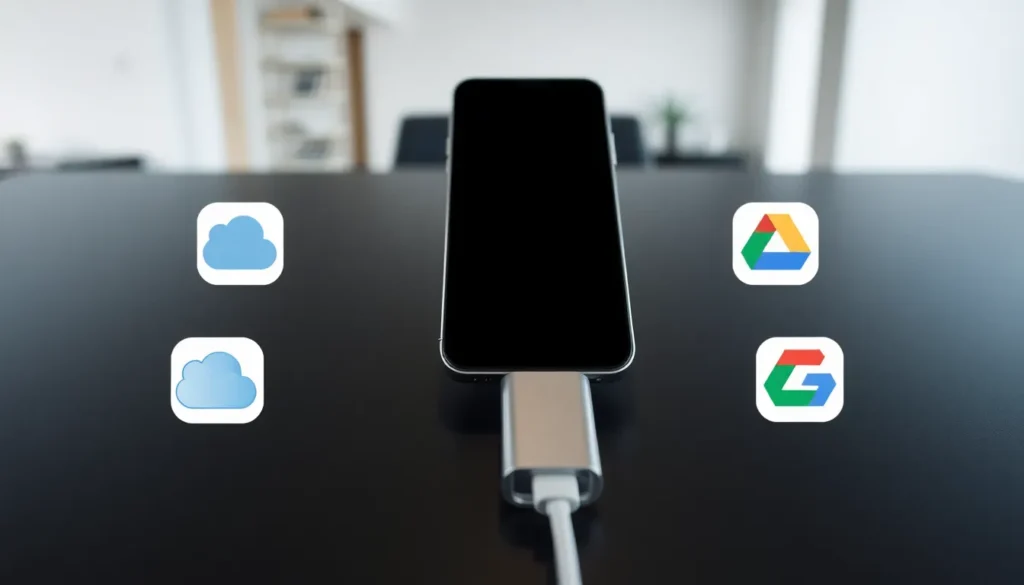
Users can explore multiple options to expand storage on their iPhones. These methods range from utilizing external devices to employing cloud-based services.
External Storage Solutions
External storage solutions enhance iPhone capacity effectively. Lightning-compatible flash drives connect directly to the device, allowing users to transfer files seamlessly. Some brands, like SanDisk and Leef, offer drives tailored to iPhone compatibility. These drives can hold up to 256 GB or more, providing ample space for photos and videos. Users can also consider wireless hard drives, which allow for remote access to data without direct connections. With these devices, transferring large files becomes manageable and convenient.
Cloud Storage Alternatives
Cloud storage alternatives provide another effective means for increasing storage. Platforms like iCloud, Google Drive, and Dropbox store files off-device, freeing up valuable space. For instance, iCloud offers up to 5 GB of free storage, with affordable plans for additional space. Google Drive includes 15 GB for free, accommodating various file types and sharing features. By utilizing these services, users can streamline their storage management while ensuring important content remains accessible across devices.
Tips for Managing iPhone Storage
Effectively managing iPhone storage allows users to maintain access to valuable content while optimizing performance. Here are approaches to enhance storage management.
Deleting Unnecessary Files
Start by identifying files that take up significant space. Photos, videos, downloads, and app data often contribute to storage issues. Users can access the Photos app to review large files, delete duplicates, and remove unwanted media. Additionally, the Files app enables them to sift through documents, letting them eliminate outdated files. Clearing cache data in apps like Safari may free up extra space. Regularly checking these areas keeps storage in check, ensuring users efficiently manage their device capacity.
Utilizing Storage Optimization Features
iPhone offers storage optimization features that maximize available space. Users can enable “Optimize iPhone Storage” in the Photos settings to save storage by storing lower-resolution images on the device while keeping originals in iCloud. Offloading unused apps temporarily keeps their data while freeing up space, making it easy to retrieve them later. The storage section in Settings provides insights into how space is utilized, allowing users to make informed decisions. Implementing these features fosters a smoother experience while preserving essential content.
Managing storage on an iPhone doesn’t have to be a daunting task. With a few simple strategies users can reclaim valuable space and maintain access to their favorite content. Whether it’s utilizing cloud storage options or external devices there’s a solution that fits every need.
By regularly monitoring storage usage and optimizing settings users can ensure their iPhones run smoothly while keeping cherished memories intact. Embracing these effective methods allows for a more enjoyable and efficient iPhone experience.